
Coffee Tables
CHOOSING A RECLAIMED WOOD DINING TABLE FOR YOUR HOME – THINGS TO CONSIDER
A dining table is an essential piece of furniture for the home. Often utilized as the gathering place for meals, entertaining, homework sessions, baking prep, you name it, the dining table has probably done double duty to accommodate it. The best dining table will be within budget, solidly constructed, and fit comfortably in your space.
Once the basics are covered, it is all about finding a statement piece that adds flair, uniqueness, and character to your room. A reclaimed wood dining table can check all those boxes. So, let’s explore what to take into consideration when choosing the perfect reclaimed table for your home.
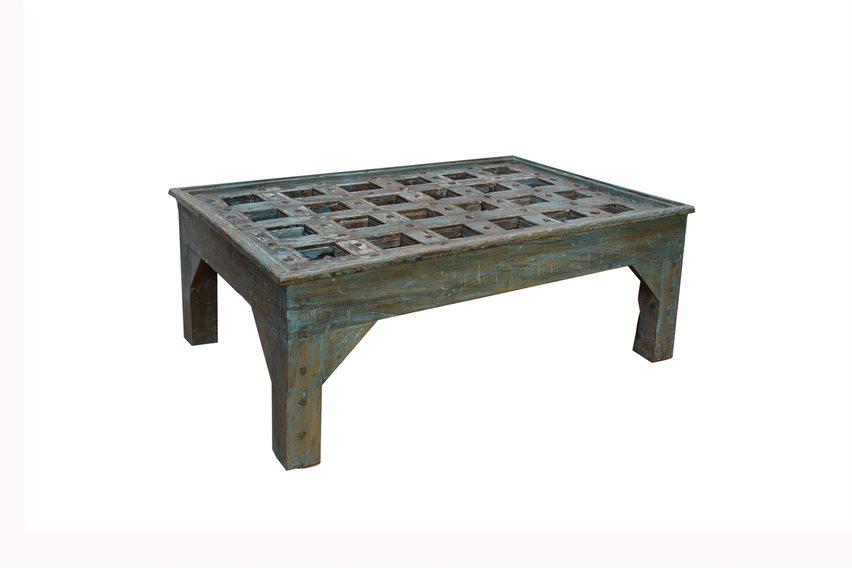
Space
The dining table needs to comfortably fit your dining area or kitchen. A reclaimed dining table can be a deceptively large piece of furniture, and the space around it needs to be accounted for, too. A good rule of thumb is 90cm/3 feet of breathing room on all sides, err on more, the better, to comfortably get in and out of a chair and move around the table. Start by measuring the area’s length and width to accommodate the dining table. Then subtract 1.8 m from those two measurements to get a target dining table length and width.
Wood Species
Pine, teak, mahogany, walnut, oak, oh my! Wood tones and grains are numerous and varied; thus, your new dining room table’s wood species is an important consideration. For a traditional look, match the wood species of the table to existing wood in your home, e.g., wood flooring or cabinetry. Or, for a modern twist, mix wood species that pair well together, even painted woods, for a more eclectic look.
If you are more relaxed with aesthetics, consider the tone, grain, and, most importantly, the wood species’ durability. If your table will take a lot of wear, tear, and abuse, utilize the Janka Hardness Chart to determine if the wood is durable enough for your needs for years to come. Wood is harder and more scratch-resistant if it has a higher number on the scale. However, most reclaimed dining tables already have some wear and tear, which leads us to the next criteria.
Lets give a small listing of our woods – Teak – Neem etc
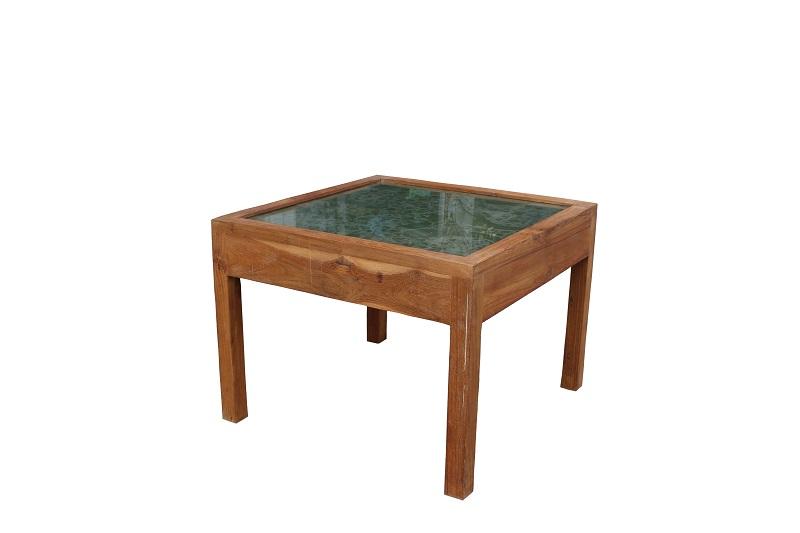
Character Elements
Reclaimed dining room tables have history; it makes them unique. This history is what we like to call character elements. Reclaimed wood tables may come with various character elements that include wood with naturals knots, old nail holes, indentations, or visible seams. Ensure your level of comfort with character elements when choosing a reclaimed table.
The furniture restorer’s quality is vital to ensure an even and smooth tabletop surface, sanded to the same level, and nail holes and knots smoothed over or filled in. Ideally, allowing character elements to shine without rough edges or areas.
Pro Tip: Filled in knots are excellent, so you still see the beautiful knots and characteristics in the wood but eliminates pockets for crumbs.
Unfinished vs. Finished Surfaces
Reclaimed wood dining tables may come in various finishes, usually dependent upon the furniture restorer’s creativity and resourcefulness. The finish is a detail that is often overlooked when purchasing a one-of-a-kind piece. Determine if the tabletop is finished or unfinished before purchasing. The finish is not only for aesthetics, but durability, reparability, and workability.
An unfinished surface, meaning no wax, epoxy, or polyurethane has been applied to the surface, offers an authentic industrial aesthetic but very little in terms of protection. A finish doesn’t necessarily have to have a high gloss shine to provide protection from spills and stains.
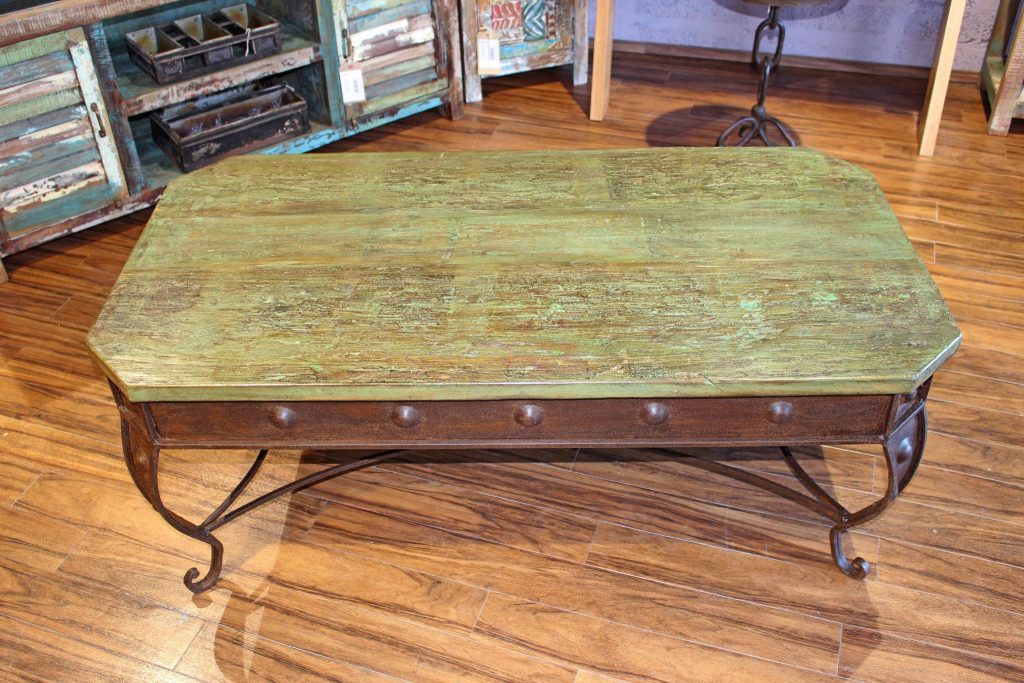
Finished Edge
We typically don’t think of the table edge until we accidentally bump into or under it while retrieving something from underneath the table. In a shot of pain, we quickly realize the importance of this detail. Table edges are about looks, function, and safety, plus they are a detail that speaks to the quality of your table. The table edge adds something to the design and takes a dining table look to the next level. It is a small detail but will draw the eye, stand out and contribute to its overall beauty.
Reclaimed wood table edges are generally straight, rounded, raw with a live-edge, or feature metal/rubber edging but they can be more elaborate. Metal edging enhances a home’s industrial décor. A straight or rounded edge helps to keep the look of the table clean and minimal décor styles.
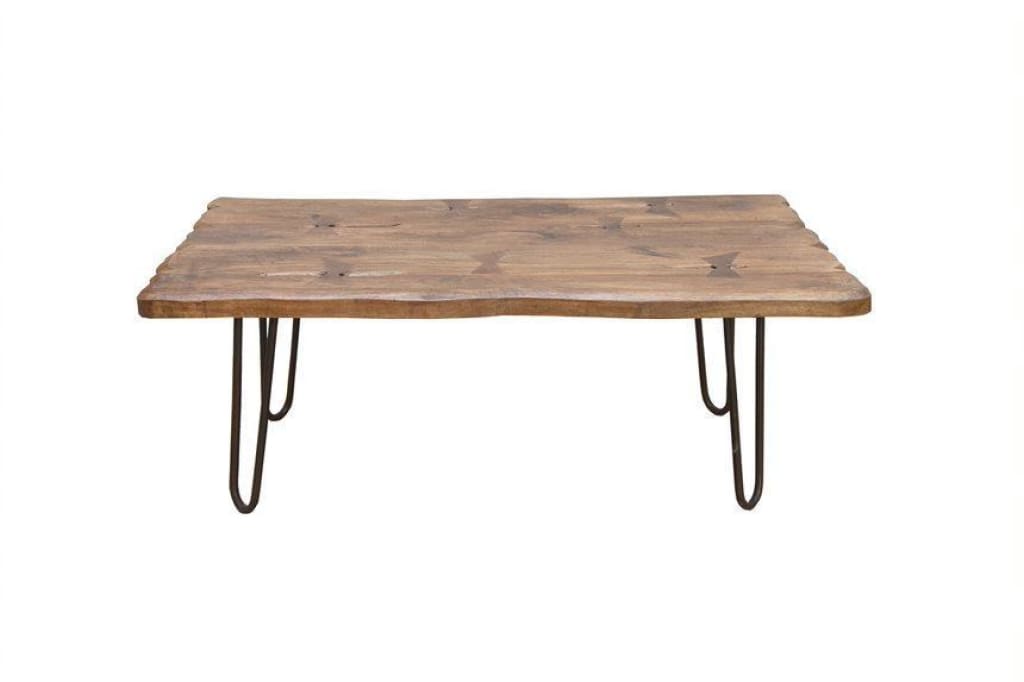
Base
Wood or metal bases can drastically change the style direction of the table. A steel base automatically adds a touch of industrial chic, while a wood base keeps it shabby chic and authentic to the table’s original era. Then consider the shape and style of the base. Keep in mind where the legs intersect with the top for your seating to fit accordingly. You want to be sure the supports don’t invade leg space.
The base usually incorporates legs, pedestal, or a trestle which can affect how many people you can fit at a table. The apron, the frame that holds up the tabletop, can cut down on your room to maneuver. A pedestal or trestle base allows flexibility to add more people to the table. Trestle bases provide flexibility along the table’s sides but can limit space at the ends of it. Look at where the trestle supports are attached to make sure there’s room for your knees.
Style
Despite the popularity of reclaimed furniture, it is commonly thought of as a secondhand piece rather than an heirloom. The rustic, weathered, and age-old charm that reclaimed wood dining tables bring into a home is a means of self-expression.
Reclaimed furniture works well with a variety of design styles, including Tuscan, farmhouse, coastal, bohemian, even modern style can easily adapt and blend with the furniture’s unique beauty. A reclaimed wood dining table provides the opportunity to create a space where imagination knows no bounds and where modernity and history blend to create a space that reflects your personality.
Quick Links
Search
About Us
Contact Us
Job & Careers
Privacy Policy
Contact Us
Our Showroom is 294 Harolds Cross Road, D6W. Open Tuesday to Sunday inclusive.
01 5370085/ info@homestreethome.ie
In-store we display a selection from this collection. If there is specific piece you would like to see – please contact us prior so that we can arrange in-store viewing.
Newsletter